Home / Signs of autism
What autism is, how common it is, and the early signs parents notice most, so you can put a name to what you're seeing.
Understanding autism
No two children present exactly the same way.
Autism shapes how a child communicates, connects with people and takes in the world around them. Some autistic children need a lot of daily support; many grow into fully independent adults; most land somewhere in between.
That's why a careful in-person evaluation tells you far more than any online list can.
How evaluations work →
U.S. children are diagnosed with autism spectrum disorder, according to the CDC's 2022 surveillance data.
Boys are diagnosed about three times as often as girls, and girls are often identified later.
The age range when most parents first notice signs, long before any formal diagnosis.
What parents notice
These are the signs parents of children 18 months to 4 years mention most, the age when they're hardest to put into words.
Fewer words than other children the same age, or difficulty putting words together by around two.
Leading you by the hand or melting down, rather than pointing or asking for what they want.
Looking away during play, or seeming to look past people instead of at them.
Hand-flapping, rocking, or repeating the same word or phrase again and again.
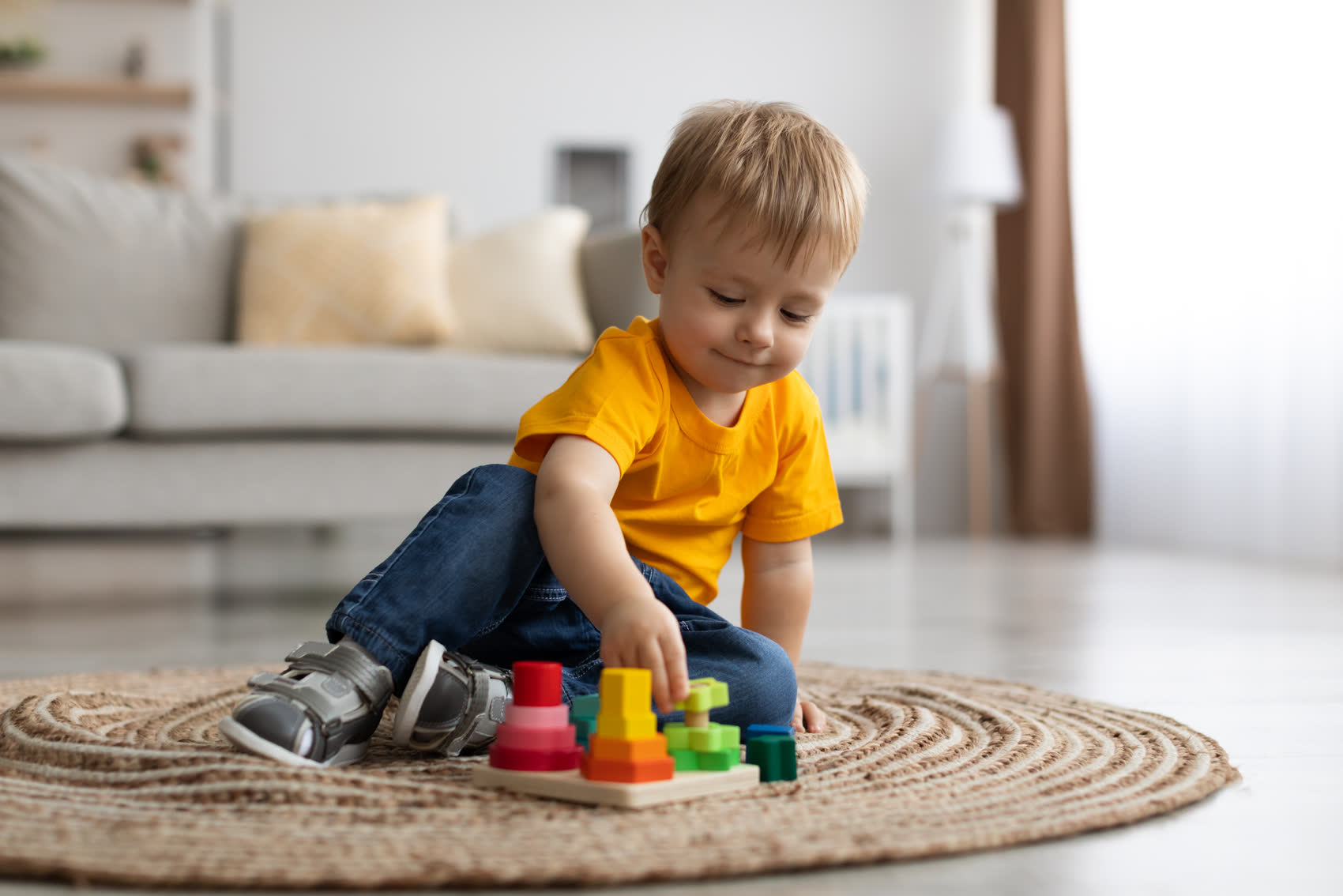
Arranging toys in neat rows or the same pattern each time, more than playing with them.
A new route, a moved chair or a change in routine can lead to a big, lasting upset.
None of this means you did anything wrong, and you don't have to work out the next step alone.
Earlier support tends to help most, which is why we keep same-week openings for children under 4.