Home / Evaluations

Know for sure.

An in-person autism evaluation that gives you a clear answer, usually within 48 hours for children 18 months to 4 years. No referral required.

48 hrs

From your first call to an in-person evaluation with a trained clinician, for children 18 months to 4 years.

18 mo–17 yrs

We focus on evaluating a range of 18 months to 17 years, with a priority on the first four years, as early supports help most.

< 1 hr

On average, most families spend less than one hour on their first visit with us, with time for every question.

Many parents first notice something between 18 months and 3 years
Chapter 1 of 4

You've been wondering.

Book an evaluation →
A young child holding a parent's hand and leading the way

Pictured: a child leading a parent by the hand, a common way to ask for things without pointing

Signs you may notice · 1 of 3

Talking & gestures

  • Words arriving slowly, or few words by around two
  • Leading you by the hand instead of pointing or waving
  • Not reliably turning when you call their name
A young boy absorbed in a toy car on his own, eyes down

Pictured: a boy absorbed in a toy on his own, with little interest in sharing it

Signs you may notice · 2 of 3

Connecting with people

  • Eye contact that comes and goes
  • Rarely bringing things over just to show you
  • Preferring to play alone, even around other children
A young boy lying on the floor at eye level with a row of toy cars

Pictured: a boy watching his toy cars at eye level, lined up in a neat row

Signs you may notice · 3 of 3

Patterns & senses

  • Lining toys up, or playing the same way every time
  • Hand-flapping, rocking or repeating sounds
  • Big reactions to change, noise or textures
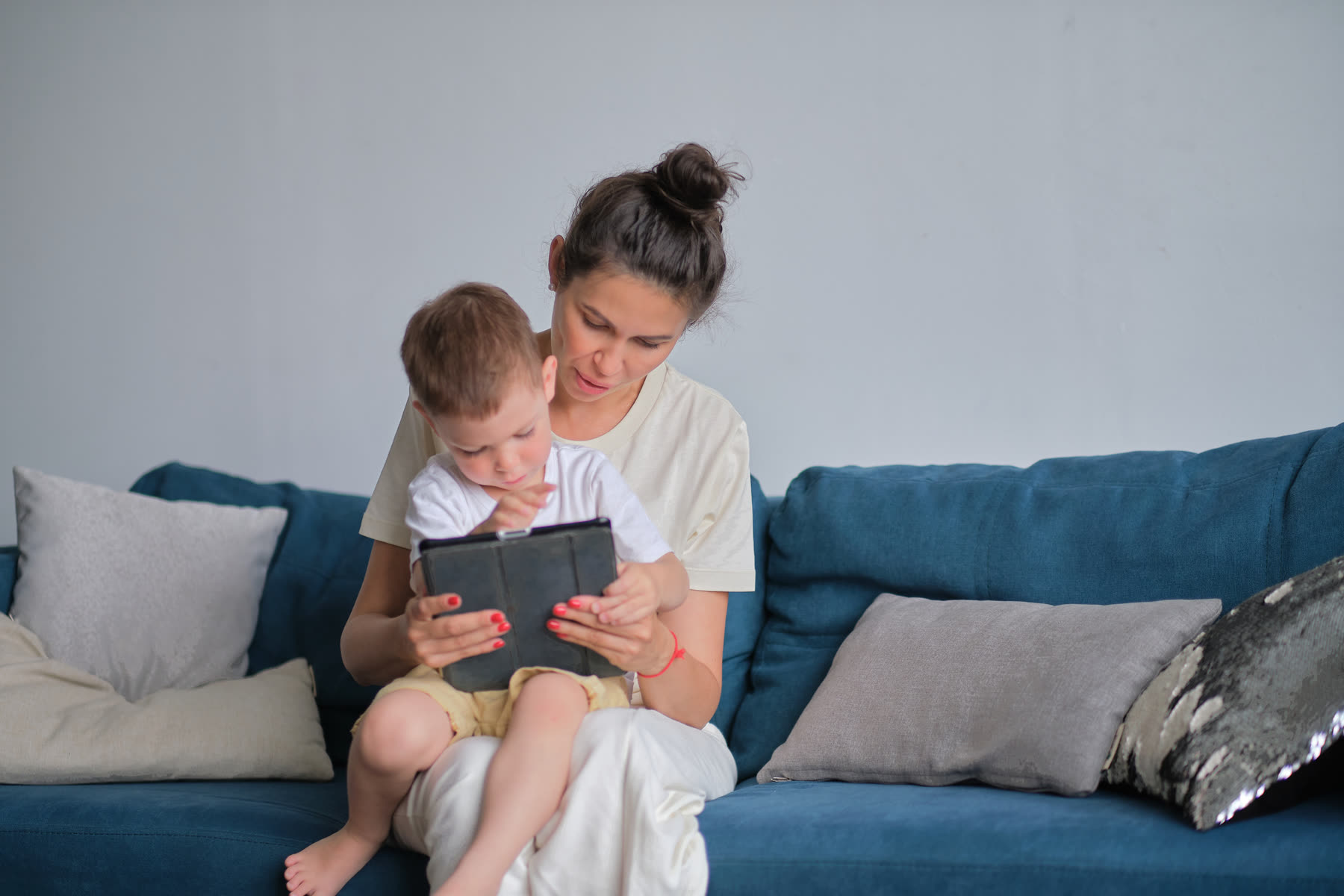
A mother with her toddler on her lap, using a tablet
Most parents answer the screening at home, on a phone or tablet
A father building blocks with his young son
The questions are about everyday moments, like playtime
A father reading a picture book with his daughter
You already know the answers from time spent together
What a screening looks like About 10 minutes
  1. Does your child light up when you play together?YesNo
  2. When you show your child something new, do they turn to see it?YesNo
  3. Does your child let you know what they want, with words or gestures?YesNo
  4. Does your child play make-believe games?YesNo

Example questions only. The M-CHAT-R/F we use has 20 yes-or-no questions about everyday behavior, and we go through the results with you.

A clinician with a clipboard watching a young boy build with blocks
A trained clinician watches how your child plays and connects
A smiling specialist building with colorful blocks alongside a little girl
Building, sharing and taking turns
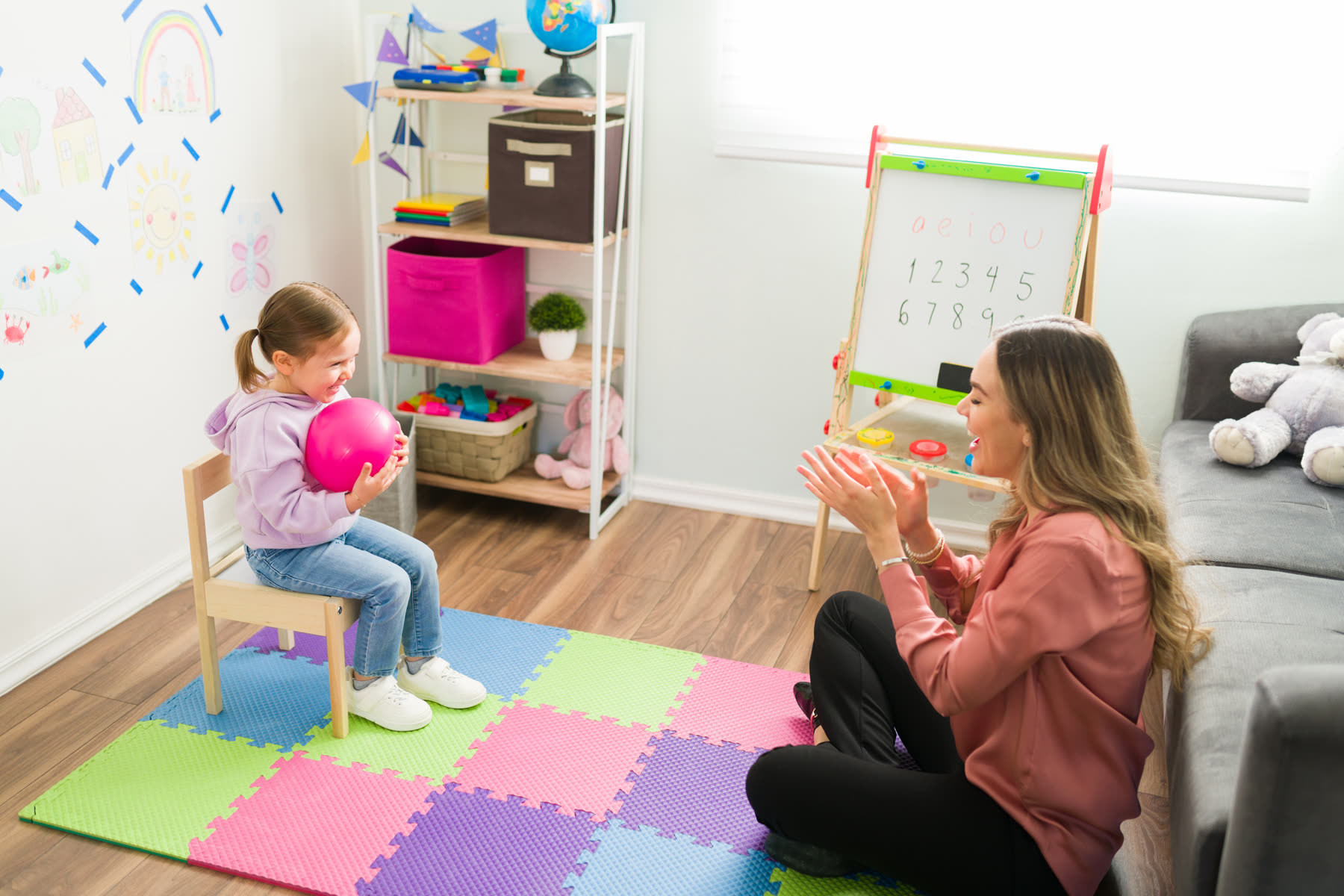
A therapist cheering on a young girl in a bright playroom
Room to move, explore and be themselves
Parents and their young son meeting with a doctor at a table
We go through the results with you
A mother and her smiling daughter talking with a clinician
A written report for your child's doctors and school
A relaxed family laughing together on the couch at home
Next steps that fit your family's week

Chapter one · Wondering

It starts with something you noticed

Words arriving slowly, eye contact that comes and goes, big reactions to small changes. Most parents first notice signs between 18 months and 3 years, long before any formal diagnosis.

None of this means you did anything wrong. It means it's worth finding out.

Chapter two · Screening

Ten minutes, a clear signal

Most families start with the M-CHAT, a validated, parent-guided questionnaire that takes about ten minutes.

It isn't a diagnosis. It tells us whether a full evaluation is worth doing.

Chapter three · Evaluation

Play-based, in person

If the screening points toward autism, the next step is the ADOS-2, which many clinicians consider the gold standard for diagnosis.

It's built on direct, play-based observation of your child, not just a questionnaire, so it happens in person with a trained clinician, usually within 48 hours for children 18 months to 4 years.

Chapter four · Your plan

You leave with answers and a plan

  • A clear diagnosis, so you can stop guessing
  • A written report you can share with your child's doctors and school
  • Next steps: therapy, support, or both, scheduled around your family's week

See treatment & support →

From "maybe" to "we know."

Book an evaluation →
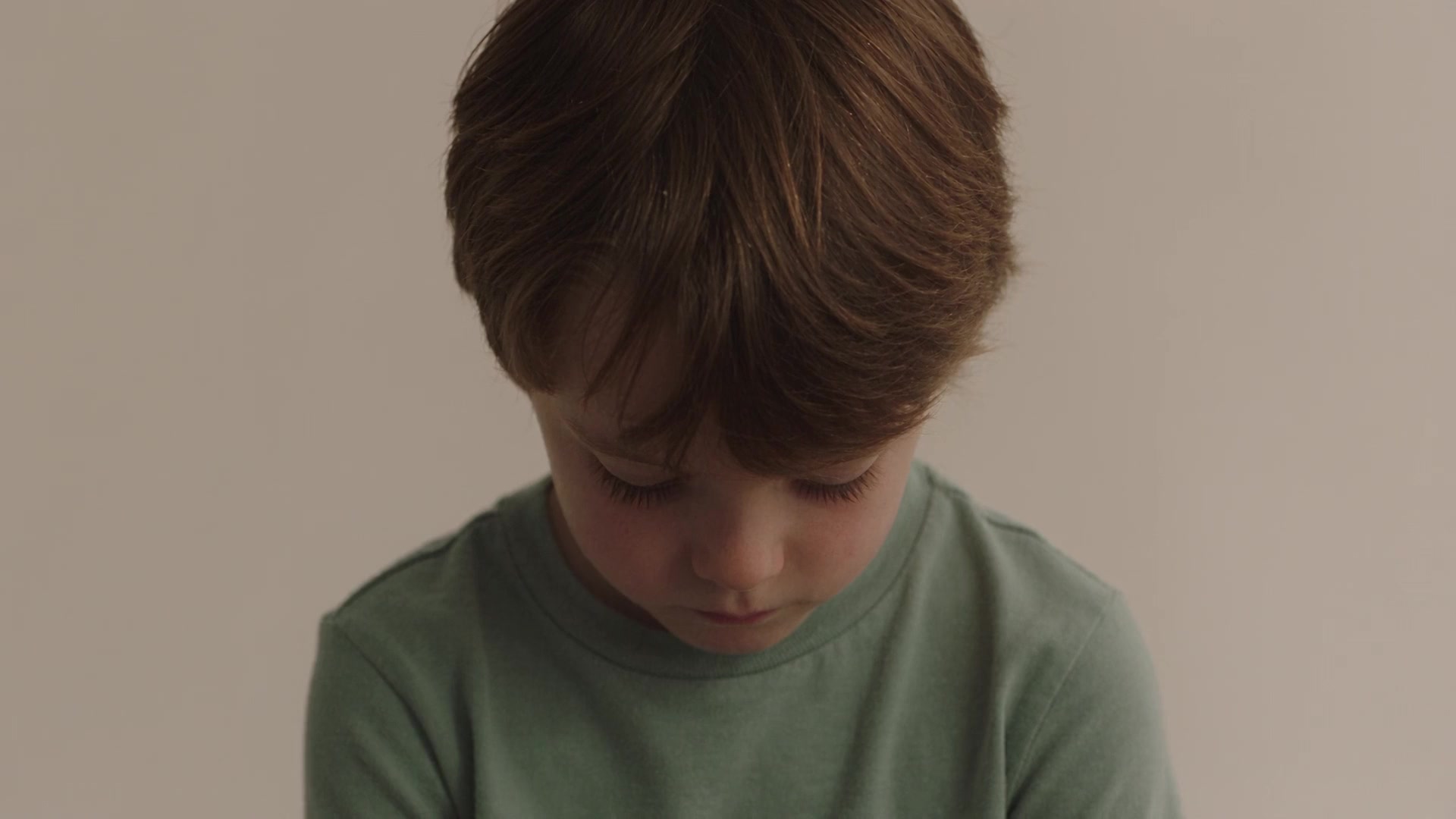
A mother playing with blocks alongside her toddler daughter at homeA quiet moment at home, when the first questions come up
Stop wondering
A mother and her daughter talking with a clinician who holds a clipboardA short questionnaire you answer with a clinician’s help
Get screened fast
A specialist working through table activities with a young girlPlay-based activities, one-on-one with a trained clinician
Get evaluated
Parents and their young daughter meeting with a therapistGoing through the results and next steps together
Get a plan
A happy family running together across a parkSupport for the whole family, not just your child
Get support, too